The Tower RNLI (Royal National Lifeboat Association), on the north embankment of the Thames to the east of Waterloo Bridge, is the busiest lifeboat station in the British Isles. Our group will assemble at the top of the ramp for an 11am start. The visit will include an illustrated talk about the RNLI in general and Tower Lifeboat Station (TLS) in particular, followed by a tour of the station conducted by some of the crew, viewing of the boats and concluding with a Q&A session about the TLS and RNLI.
Ben Street led an event for the Livery Committee in 2016 at the Dulwich Picture Gallery, and in April 2024 a walking tour of four private galleries in Fitzrovia and Mayfair. Ben is an art historian and educator, his website https://benstreet.co.uk gives more details.
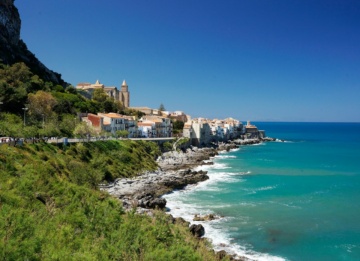
Sitting in the centre of the Mediterranean, Sicily has always been a strategic prize fought over for millennia. The original settlers, the Sicani, of Semitic origin in the west of the island and the Siculi, a tribe of Latin background in the east, were joined by the Phoenicians from Carthage. A foothold in Sicily formed a vital part of the trading empire built up by the Phoenicians as it provided a staging post for further expansion westwards to France and Spain. Then came the Greeks, who were attracted by the great natural resources of the island. Sicily was rich in wheat, oil and wine, and the Greeks brought to the island their characteristic form of urban life, the polis, or independent city state. Colonies were founded by all the major Greek mainland cities and islands to form part of what in time became known as Magna Graeca or, Greater Greece.
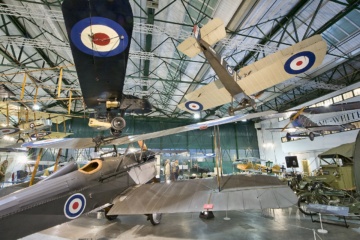
The Livery Committee is planning a day visit to the Royal Air Force Museum, Hendon, including guided tours of the Battle of Britain and Cold War exhibitions, with a sandwich lunch in the museum between tours and free time after to explore.
Friends and family of members are most welcome to join our seasonal celebration. Following the Service, a drinks reception and Supper will be held in the Hall. Cost of attendance at the drinks reception and Supper is £110.
***This is an event listing. It cannot be booked on the system but must be booked and cancelled directly with Paula Ward’s Ireland see below *** Date: Wednesday 27 January to Monday 1 February 2027 Who can attend: Liverymen, Yeomen, Apprentices and their guests Deposit: 300 euro Cost: *1,975 euro per person sharing a double […]
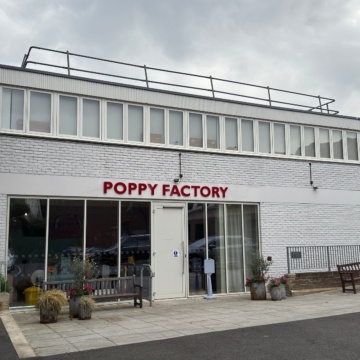
Date: Wednesday 10th February 2027 (Bookings close 6th January 2027) Time: 15:00pm – 16:30pm Who can attend: Society members and their guests Cost: £25 Dress code: Casual Venue: The Poppy Factory, 20 Petersham Road, Richmond upon Thames, TW10 6UR Members’ Area Portal (LMS): Click here to book Organiser: Sara Waldron, sarawaldron57@gmail.com The number of […]