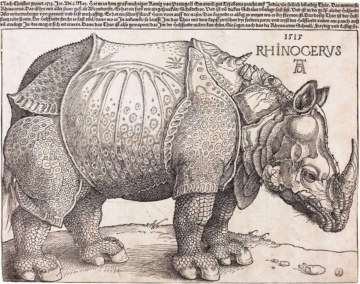
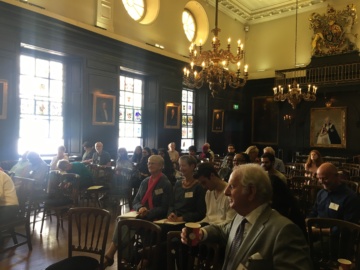
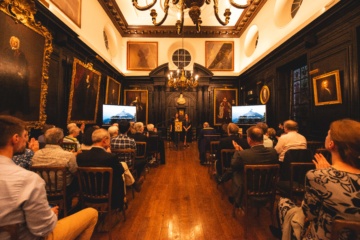
The first rhinoceros to arrive on European soil since the 3rd century AD caused a sensation. It was immortalised in Albrecht Dürer’s famous woodcut of 1515. Although the German artist never saw the animal, his woodcut became one of the most influential images in Western art. Probably no other depiction of an animal has exerted such a profound influence on the arts – despite its inaccuracies, Dürer’s extraordinary image of the rhinoceros has endured. This talk considers Dürer’s rhinoceros in context, and the long reception of this iconic image.
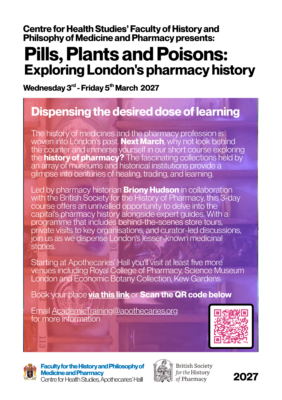
The history of medicines and the pharmacy profession is woven into London’s past. Next March, why not look behind the counter and immerse yourself in our short course exploring the history of pharmacy? The fascinating collections held by an array of museums and historical institutions provide a glimpse into centuries of healing, trading, and learning.
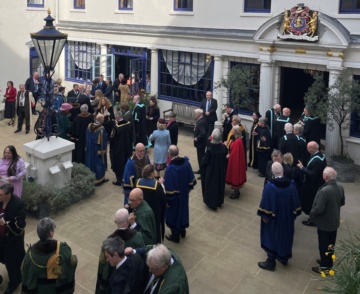
Members wishing to attend the magnificent service at St Paul’s should apply to the Events Manager, Beci Ryan (events@apothecaries.org) for one of the limited number of tickets. Tickets may also be allocated to non-member spouses for the unreserved seating. All are welcome to join us for lunch at the Hall, where we are joined by Liverymen from several other Companies.
Rats are today seen as a sine qua non of plague, but this is a very recent idea. The Gideon De Laune Lecture explores how the rat became understood as a carrier and spreader of the disease.
Find out how about the history of wax anatomical models and how they have contributed, from the 17th century onwards, to the development of medical education (Monckton Copeman Lecture)
Members wishing to attend the magnificent service at St Paul’s should apply to the Events Manager, Beci Ryan (events@apothecaries.org) for one of the limited number of tickets. Tickets may also be allocated to non-member spouses for the unreserved seating. All are welcome to join us for lunch at the Hall, where we are joined by Liverymen from several other Companies.
Members wishing to attend the magnificent service at St Paul’s should apply to the Events Manager, Beci Ryan (events@apothecaries.org) for one of the limited number of tickets. Tickets may also be allocated to non-member spouses for the unreserved seating. All are welcome to join us for lunch at the Hall, where we are joined by Liverymen from several other Companies.
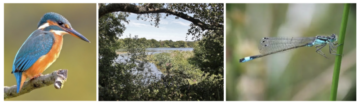
Sevenoaks Wildlife Reserve was the first example of a gravel pit site being developed for the purpose of nature conservation. The 73-hectare reserve is a Site of Special Scientific Interest (SSSI) and is home to a diverse range of plants, fungi, birds, and dragonflies and damselflies.
Dr Leslie David Payne was a distinguished medical scientist, dentist, and expert in blast biophysics, ballistic and penetrating injuries, stab wounds, and unarmed combat. From the early 1970s, he served as Ballistic and Blast Archivist at the Royal Army Medical College, alongside running his dental practice. He advised military, medical, police and security services in the UK and US, often working discreetly behind the scenes.
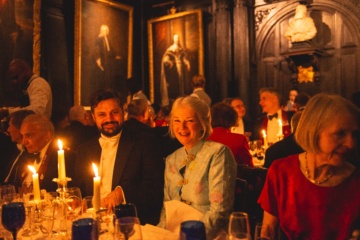
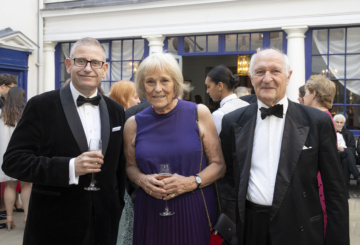
Date: Thursday, 20 May 2027 Time: 6.15 pm to 11.00 pm Who can attend: Liverymen, Yeomen, Apprentices and their guests Cost: £125 (Guardant Liverymen may use the ‘free guardant’ dinner option when booking, 1 allowed per Society Year) Dress code: White tie & decorations (black tie acceptable) Members’ Portal (LMS): Click here to book Contact: events@apothecaries.org The Society […]
Elizabeth Garrett Anderson lecture: This talk explores the company from a women’s history perspective, arguing that Boots empowered women with new professional identities and consumer choices while simultaneously reinforcing normative standards of beauty and domestic responsibility.
Hans Sloane lecture: Stuart Anderson explores the extent to which the British model of pharmacy was reproduced in Britain’s colonies and dominions as the Empire expanded, and considers the nature of Britain’s pharmacy legacy following the attainment of independence.